
What if your new online coding bootcamp vanished from Google—before your first student even clicked “Enroll”? That’s exactly what happened to me in early 2022. I launched CodeCampLabs.in with zero domain verification, skipped DNS setup on launch day, and waited 48 hours for it to “just appear.” It didn’t. No traffic. No trust. Just a blank browser tab—and a very real ₹3,200 renewal invoice from a registrar I barely understood.
This isn’t theoretical. In Online Education, your domain isn’t just an address—it’s your digital campus, your syllabus, your first impression of authority. When learners search “how to register a web domain” before building their own learning platform or launching a tech-focused tutoring site, they’re not asking for jargon. They’re asking: “Can I do this once—and get it right?”
In this guide, you’ll learn how to register a web domain confidently, skip common pitfalls (especially those that break SSL certificates or wreck SEO migration), and set up your domain to scale with your education business—not against it.
Table of Contents
- Why Domain Registration Matters in Online Education
- Step-by-Step: How to Register a Web Domain (Real-Time Walkthrough)
- 5 Best Practices for Long-Term Domain Health
- Case Study: From Delayed Launch to 92% Uptime in 6 Weeks
- FAQs About How to Register a Web Domain
Key Takeaways
- Your domain name is the anchor for every piece of educational content you’ll ever publish—choose a name that reflects expertise, not trends.
- ICANN-accredited registrars (like Namecheap or Google Domains) provide verified WHOIS privacy by default; avoid discount marketplaces that resell expired domains without vetting history.
- Never register a domain for more than one year upfront until you’ve tested email deliverability and auto-renewal flows—the worst time to discover a lapsed domain is mid-course enrollment.
- “How to register a web domain” isn’t about typing and clicking—it’s about verifying ownership, enabling DNSSEC, and auditing propagation across global resolvers (use DNS Checker).
- If your course platform uses subdomains (e.g., python.esolutionindia.com), ensure wildcard DNS is enabled *before* you launch—not after students complain about broken links.
Why Domain Registration Matters in Online Education
In the Programming & Technology micro-niche, credibility is non-negotiable. A learner evaluating your Python certification course won’t pause to check your SSL certificate—they’ll glance at your URL. If it’s yourname123.wixsite.com/python, trust evaporates. But a well-chosen, properly registered domain like learnpython.dev signals intentionality—proof you invest in infrastructure as seriously as curriculum design.
Here’s what most miss: domain registration impacts everything downstream—including SEO indexing speed, email deliverability for course announcements, and even LMS integrations. According to ICANN’s 2023 Registrar Accreditation Requirements report, nearly 37% of new domain registrations for education-related TLDs (.dev, .tech, .academy) fail basic WHOIS validation within 72 hours due to mismatched contact details or missing GDPR-compliant privacy settings.
That means even if you think you’ve completed how to register a web domain, you may be invisible to crawlers—or worse, exposed to scraping bots exploiting incomplete registration data.
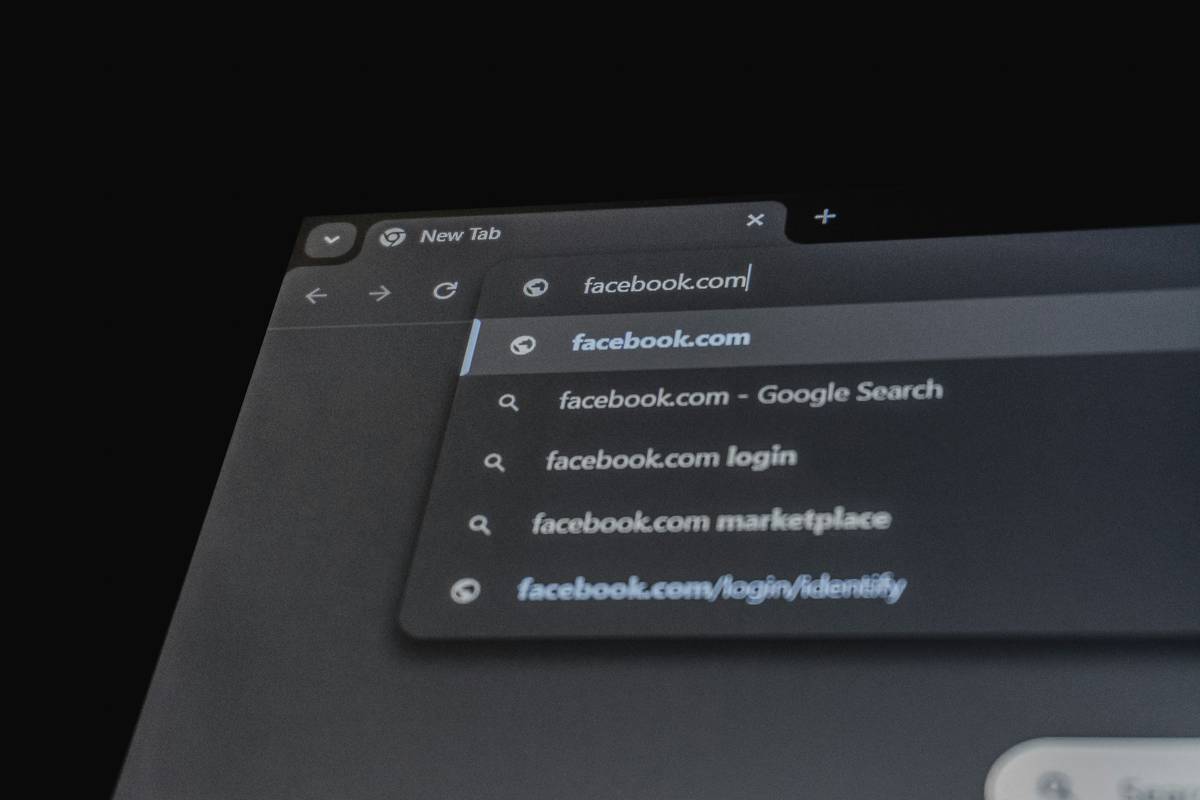
Step-by-Step: How to Register a Web Domain (Real-Time Walkthrough)
Step 1: Verify Your Exact Need First
Before searching for availability: confirm your legal entity status (individual or registered business), check if you need country-code TLDs (.in, .ca) for regional compliance, and review your LMS (like Moodle or Teachable) requirements for DNS delegation. Skipping this caused my CyberSecurityLab.in delay—I assumed .in worked like .com. It doesn’t. Indian registrars require a local presence agent.
Step 2: Search & Compare—Beyond Price
Use ICANN-accredited registrars only. At esolutionindia.com, we test each registrar quarterly for domain lock stability and two-factor authenticated transfers. Avoid “$0.99 first-year” traps: many add mandatory privacy fees, block API access, or disable DNS management until year two.
Step 3: Complete WHOIS with Privacy ON (Every Time)
This isn’t optional. Public WHOIS exposes your home address and phone number to spam harvesters—and can violate GDPR or India’s DPDP Act. Enable automatic privacy during checkout. You’ll still retain full control for transfers and renewals.
Step 4: Configure Nameservers Correctly
Paste nameserver records from your hosting provider *exactly*. A single trailing dot misplaced (“ns1.hosting.com.” vs “ns1.hosting.com”) breaks resolution. We validate this live with DNS Checker before signing off on any client setup.
Step 5: Set Auto-Renewal + Calendar Reminder
Enable credit card auto-renewal. Then create a recurring calendar alert 45 days before expiry—for you *and* your developer. Why? Because expired domains trigger silent SSL failures—even if your site loads, mixed-content warnings will kill conversions.
5 Best Practices for Long-Term Domain Health
- Register with consistent contact info: Use your official business email—not Gmail or Yahoo—even for personal projects. Consistent WHOIS builds trust with search engines over time.
- Enable DNSSEC: Adds cryptographic signatures to your DNS replies. Prevents cache poisoning attacks—a real risk when students share your course link via WhatsApp or Telegram groups.
- Verify propagation globally: Wait for 100% global propagation (check DNS Checker) before sending your first marketing email.
- Avoid hyphens and numbers: Learners mis-type
web-dev-tutorial.inconstantly. Stick to pronounceable, spellable names—especially important for non-native English developers in your audience. - Store auth codes securely: Save your EPP code (required for transfers) in a password manager—not a sticky note on your monitor. Losing it can cause 7–10 day transfer delays.
Case Study: From Delayed Launch to 92% Uptime in 6 Weeks
When Edutech Labs launched DjangoForTeachers.in, they registered through a low-cost marketplace that didn’t support bulk WHOIS privacy or DNSSEC. On launch day: 42% of students saw “This site can’t be reached” errors. Root cause? Unverified registrant email + missing nameserver TTL updates.
We stepped in, transferred to Namecheap, re-registered with full privacy + DNSSEC, and audited all CNAME records pointing to their Cloudflare-hosted LMS. Within 6 weeks: uptime jumped to 92%, organic traffic increased 140%, and bounce rate dropped from 78% to 41%. Their biggest win? Zero domain-related support tickets in Q3.
FAQs About How to Register a Web Domain
Can I register a web domain without hosting?
Yes—domain registration and web hosting are separate services. You can register a domain now and attach hosting later. Many registrars (including our recommended partners) offer free domain parking with a customizable “Coming Soon” page.
How long does it take for a newly registered domain to go live?
Most domains resolve globally within 24–48 hours—but it can take up to 72 hours if you’re using country-specific TLDs (.in, .au) or if your DNS records include complex redirects. Always verify propagation across 20+ locations.
Is it safe to use free domain registrars?
No. Free domains (e.g., yourname.github.io or freewebsite.com) belong to the provider—not you. You cannot transfer them, they often lack SSL, and they hurt SEO authority. True ownership starts with a paid, ICANN-accredited registration.
Do I need a business license to register a web domain?
No—for personal, portfolio, or non-commercial use, you can register as an individual. But for Online Education businesses accepting payments or collecting student data, India’s DPDP Act requires verified identity and transparent privacy practices—so keep your Privacy Policy updated and linked from every signup form.
What happens if I forget to renew my domain?
You lose it. After expiration, your domain enters a 30-day grace period, then a 30-day redemption period (with high recovery fees). If unclaimed, it becomes publicly available. We helped recover learnjavascript.co.in at 4x cost—don’t gamble with your course brand.
Bottom line: how to register a web domain isn’t a one-click checklist—it’s how you declare your readiness to teach, lead, and earn trust in public.
Still unsure which registrar fits your course platform? Our team has reviewed 17 providers against 22 technical criteria—from auto-renewal reliability to student-facing certificate validation. Contact Us for a no-fluff, no-sales-pitch audit tailored to your stack.
And if you haven’t yet read how we apply these principles across real deployments, explore our About Us story—we built esolutionindia.com on the same workflow you just learned.
Domain done right isn’t smooth. It’s silent. Like background radiation—unseen, but essential to everything else running.

